Top Logistics Solutions for Your Business Needs
- Joselyn Bueso
- Nov 5, 2025
- 5 min read

Efficient logistics can make or break a business. When products move smoothly from suppliers to customers, companies save time, reduce costs, and improve customer satisfaction. On the other hand, poor logistics can cause delays, increase expenses, and damage reputations. Choosing the right logistics solutions is essential for businesses aiming to stay competitive and grow.
This post explores some of the best logistics solutions available today. It explains how each option works, who it suits best, and how it can improve your business operations. Whether you run a small startup or a large enterprise, understanding these solutions will help you make informed decisions.
Understanding Your Logistics Needs
Before selecting any logistics solution, it’s important to analyze your business’s specific needs. Logistics covers many activities, including transportation, warehousing, inventory management, and order fulfillment. Each business has unique challenges depending on its size, industry, and customer base.
Ask yourself these questions:
What kind of products do you handle? Are they perishable, fragile, or bulky?
How fast do your customers expect delivery?
Do you sell locally, nationally, or internationally?
What is your budget for logistics services?
Do you want to manage logistics in-house or outsource it?
Answering these questions helps narrow down the most suitable logistics solutions.
Third-Party Logistics Providers (3PL)
Third-party logistics providers, or 3PLs, offer comprehensive logistics services to businesses. They handle transportation, warehousing, packaging, and sometimes even customer returns. Using a 3PL allows companies to focus on their core activities while experts manage logistics.
Benefits of 3PL
Cost savings: 3PLs have established networks and volume discounts.
Scalability: Easily adjust logistics capacity during peak seasons.
Expertise: Access to specialized knowledge and technology.
Flexibility: Choose services that fit your needs, from full outsourcing to specific tasks.
When to Use 3PL
If your business is growing quickly and logistics is becoming complex.
When you want to enter new markets without building infrastructure.
If you lack logistics expertise or resources.
Example
A mid-sized e-commerce company selling electronics partnered with a 3PL to handle nationwide shipping. This move reduced delivery times by 30% and cut shipping costs by 15%.
Warehouse Management Systems (WMS)
Warehouse Management Systems are software platforms that help businesses control warehouse operations. They track inventory levels, manage stock locations, and optimize picking and packing processes.
Key Features of WMS
Real-time inventory tracking
Automated order picking routes
Integration with shipping carriers
Reporting and analytics
Advantages
Reduces errors and misplaced stock
Improves order accuracy and speed
Enhances space utilization in warehouses
Provides data for better decision-making
Suitable For
Businesses with large or multiple warehouses
Companies handling high order volumes
Those wanting to improve warehouse efficiency
Example
A food distributor implemented a WMS to manage perishable goods. The system alerted staff about expiration dates and optimized storage, reducing waste by 20%.
Transportation Management Systems (TMS)
Transportation Management Systems focus on planning, executing, and optimizing the movement of goods. They help select carriers, route shipments, and track deliveries.
Features of TMS
Carrier selection and rate comparison
Route optimization
Shipment tracking and notifications
Freight auditing and payment
Benefits
Lowers transportation costs
Improves delivery reliability
Enhances visibility across the supply chain
Simplifies compliance with regulations
Ideal For
Businesses shipping large volumes or multiple modes (road, air, sea)
Companies needing to coordinate complex routes
Those aiming to reduce freight expenses
Example
A clothing retailer used a TMS to coordinate shipments from factories overseas to distribution centers. The system cut transit times by 10% and improved on-time delivery rates.

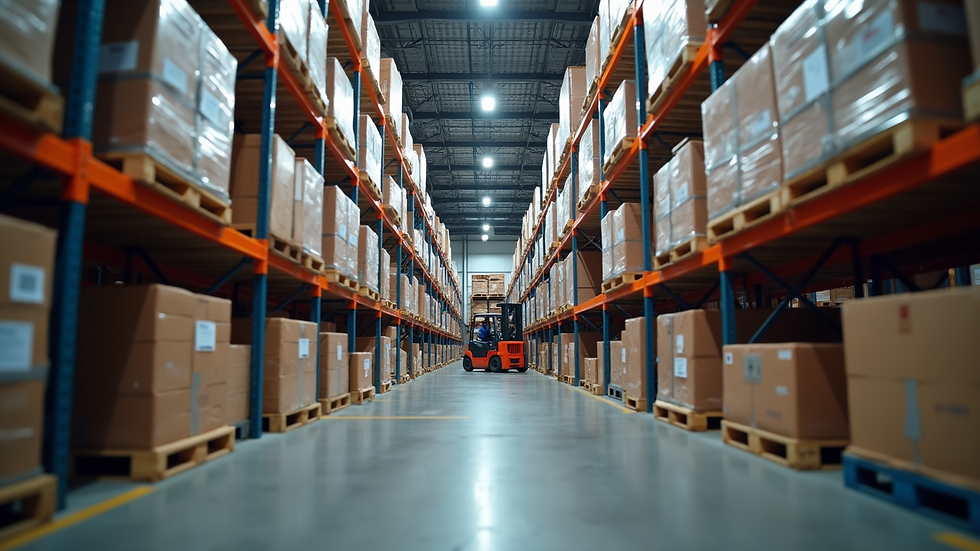
Warehouse operations showing efficient storage and material handling
Last-Mile Delivery Solutions
The last mile is the final step of delivery from a distribution center to the customer. It is often the most expensive and challenging part of logistics. Last-mile delivery solutions focus on speed, accuracy, and customer experience.
Popular Last-Mile Options
Crowdsourced delivery: Using local drivers or couriers to deliver packages quickly.
Parcel lockers: Secure self-service pickup points for customers.
Same-day delivery services: Fast delivery options for urgent orders.
Benefits
Increases customer satisfaction with faster deliveries
Reduces failed delivery attempts
Offers flexible delivery options
Best For
E-commerce businesses with high customer expectations
Food and grocery delivery services
Retailers in urban areas
Example
A grocery delivery startup partnered with a crowdsourced platform to offer same-day delivery in major cities. This approach helped them expand rapidly without investing in their own fleet.
Inventory Management Software
Managing inventory accurately is crucial to avoid stockouts or excess stock. Inventory management software tracks product quantities, sales, and reorder points.
Features
Real-time stock updates
Automated reorder alerts
Integration with sales channels
Reporting on inventory turnover
Advantages
Prevents lost sales due to out-of-stock items
Reduces holding costs by avoiding overstock
Improves cash flow management
Supports multi-channel selling
Who Should Use It
Retailers with multiple sales channels
Manufacturers managing raw materials and finished goods
Wholesalers handling large product ranges
Example
A small electronics retailer used inventory software to sync stock across its website and physical store. This prevented overselling and improved customer trust.
Automation and Robotics in Logistics
Automation technologies are transforming logistics by speeding up repetitive tasks and reducing errors. Robotics can handle picking, packing, and sorting in warehouses.
Benefits of Automation
Increases operational speed and accuracy
Lowers labor costs
Enhances safety by reducing manual handling
Supports 24/7 operations
Technologies to Consider
Automated guided vehicles (AGVs)
Robotic picking arms
Conveyor systems
Drones for inventory checks
Suitable For
Large warehouses with high order volumes
Businesses aiming to reduce human error
Companies investing in long-term efficiency
Example
An online retailer installed robotic arms to pick small items in its fulfillment center. This cut order processing time by 40% and reduced errors.
Choosing the Right Logistics Partner
Selecting the right logistics partner or solution depends on your business goals and challenges. Consider these factors:
Experience: Look for providers with expertise in your industry.
Technology: Ensure they use modern systems for tracking and communication.
Flexibility: Choose partners who can scale with your business.
Customer service: Reliable support is critical for resolving issues quickly.
Cost: Balance price with the value and quality of services.
Request case studies or references to verify claims. Start with a pilot project to test compatibility before committing long-term.
Final Thoughts
Logistics solutions vary widely, but the right choice can boost your business’s efficiency and customer satisfaction. Whether you use a 3PL, implement warehouse software, or adopt automation, focus on solutions that fit your unique needs.
Start by analyzing your logistics challenges and goals. Then explore options that improve speed, accuracy, and cost-effectiveness. Investing in the right logistics solutions today prepares your business for growth tomorrow.
Take the next step by researching providers, requesting demos, or consulting with logistics experts. Strong logistics support is a foundation for success in any industry.

Comments